26 January, 2026
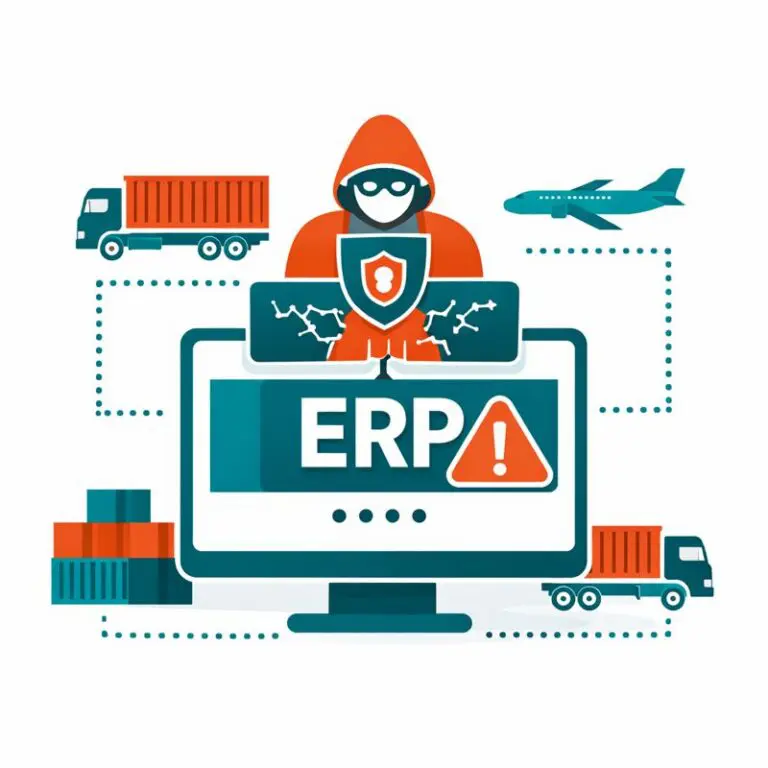
Why Software Escrow for ERP Systems Is Crucial in the Logistics Sector
Read more

The cybersecurity landscape is on high alert. With the transposition of the NIS2 Directive into national legislation—known in the Netherlands as the Cybersecurity Act (Cyberbeveiligingswet, Cbw)—companies in vital sectors will face far-reaching obligations in the area of digital resilience. For the logistics sector, which forms the backbone of our modern economy, this legislation will have significant consequences. Although the Cybersecurity Act is expected to enter into force in the second quarter of 2026, organizations would be wise to start preparing now.
The Network and Information Security Directive 2 (NIS2) is European legislation that entered into force on 16 January 2023. It replaces the earlier NIS1 Directive from 2016 and imposes much stricter requirements on organizations operating in essential and important sectors. The goal is clear: to achieve a higher common level of cybersecurity across the EU and to strengthen the digital and economic resilience of its Member States.
EU Member States were required to transpose the NIS2 Directive into national law by 17 October 2024. The Netherlands has experienced delays in implementation, but it is now almost certain that the Cybersecurity Act (Cbw)—the Dutch implementation of NIS2—will enter into force in the second quarter of 2026. The Cbw will replace the current Security of Network and Information Systems Act (Wbni).
The logistics and transport sector plays a crucial role in the global economy. Modern logistics processes are deeply intertwined with digital systems: from Warehouse Management Systems (WMS) and Transport Management Systems (TMS) to supply chain platforms, IoT devices, and real-time tracking solutions. A cyberattack on these systems can have far-reaching consequences—not only for individual companies, but for entire supply chains and even the broader economy.
For this reason, the transport sector is classified as an essential sector under the NIS2 Directive. More specifically, this includes:
In addition to large transport companies, SMEs in the logistics sector will also be indirectly affected. Large “essential entities” are required to assess and ensure the cybersecurity of their suppliers and partners throughout the supply chain.
Organizations in the logistics sector that fall within the scope of NIS2 face four core obligations. These obligations are designed to strengthen cybersecurity resilience across logistics networks, digital supply chains, and transport operations.
Under NIS2, logistics sector organizations must implement ten concrete cybersecurity measures to ensure adequate protection of network and information systems:
Under NIS2, significant cyber incidents in the logistics sector must be reported to the National Cyber Security Centre (NCSC) within 24 hours of discovery. This obligation applies to incidents that substantially impact logistics operations, disrupt transport flows, or threaten business continuity within the logistics sector.
Logistics sector organizations covered by NIS2 must register with the Dutch government. This registration enables supervisory authorities to identify logistics entities subject to NIS2 and to apply appropriate oversight and enforcement measures.
Organizations in the logistics sector must be able to demonstrably comply with NIS2 requirements. This includes documenting cybersecurity policies, controls, and procedures, and being prepared for audits or inspections by supervisory authorities overseeing NIS2 compliance.
One of the most impactful elements of NIS2 for the logistics sector is the supply chain security requirement. Large logistics companies classified as “essential” or “important” entities must impose cybersecurity requirements on their suppliers, subcontractors, carriers, and IT partners.
As a result, SMEs in the logistics sector are also directly affected. Even if a logistics SME does not formally fall under NIS2, major logistics customers may still demand demonstrable compliance with NIS2-aligned cybersecurity standards. Failure to meet these expectations may lead to lost contracts, reduced market access, or exclusion from logistics supply chains.
The NIS2 Directive introduces GDPR-style fines based on global annual turnover, which also apply to the logistics sector:
Beyond financial penalties, non-compliance with NIS2 can cause reputational damage, customer loss, and operational disruption. For logistics sector organizations that depend on public contracts or multinational clients, NIS2 non-compliance may even result in exclusion from public tenders.
Although the Cybersecurity Act will not enter into force until 2026, logistics sector organizations should begin preparing for NIS2 now.
Assess whether your logistics company is classified as an “essential” or “important” entity under NIS2. Logistics organizations with more than 50 employees or annual turnover exceeding €10 million are more likely to fall within scope.
Identify which IT systems, data flows, and digital processes are critical to your logistics operations. Where are the vulnerabilities in your logistics IT landscape? Which cyber threats could realistically disrupt transport, warehousing, or supply chain operations? This assessment forms the foundation of NIS2 compliance.
Begin systematically implementing the ten NIS2 duty-of-care measures, including MFA, encryption, incident response planning, and cybersecurity training for logistics personnel.
A core objective of NIS2 is ensuring business continuity, even if software suppliers or IT service providers fail. This is especially relevant for the logistics sector, which relies heavily on WMS, TMS, and supply chain management platforms.
What happens if a critical logistics software supplier goes bankrupt or suffers a major cyber incident?
This is where digital escrow becomes a practical NIS2 solution. With a solution such as Escrow4All, critical source code, logistics data, and technical documentation are securely stored and remain accessible, even if a supplier becomes unavailable. This directly supports NIS2 business continuity requirements while strengthening resilience across logistics operations.
Ensure that your logistics organization can demonstrate compliance with NIS2. Document cybersecurity policies, conduct penetration tests, and regularly test incident response scenarios. Both regulators and logistics customers will expect evidence.
Finally, ensure that your logistics organization knows how to report incidents under NIS2. Establish clear internal procedures to guarantee reporting to the NCSC within the mandatory 24-hour timeframe.
The transposition of NIS2 into national legislation marks a turning point for the logistics sector. Digital resilience is no longer a “nice to have,” but a legal obligation with far-reaching consequences. For transport companies and logistics service providers, this means that cybersecurity must become an integral part of corporate strategy.
By taking action now—ranging from risk assessments to implementing continuity solutions such as digital escrow—organizations can not only comply with the law but also strengthen their competitive position. In a market where customers increasingly scrutinize digital reliability, proactive compliance offers a strategic advantage.
The message is clear: don’t wait until the legislation takes effect. Start strengthening your digital resilience today.



Looking for innovative escrow solutions?
Contact us now.