26 January, 2026
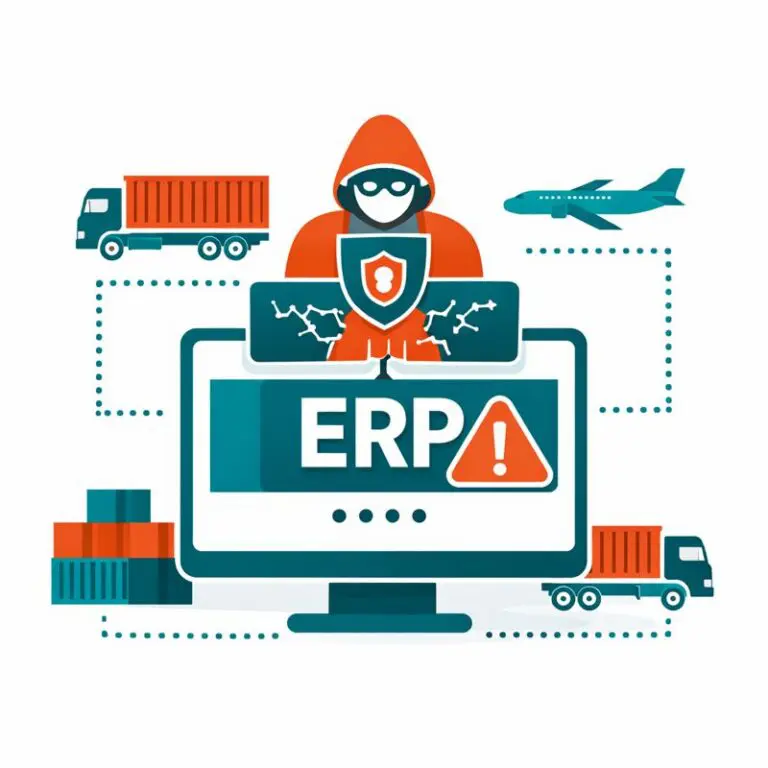
Why Software Escrow for ERP Systems Is Crucial in the Logistics Sector
Read more

Keep your supply chain moving; no matter what.

The transport and logistics industry is digitising rapidly. Globally connected supply chains rely heavily on software, SaaS and data for transport planning, fleet management, track-and-trace and warehouse operations. These digital systems are critical to keeping operations running smoothly.
But what if essential software suddenly becomes unavailable or a supplier goes bankrupt? In a sector where time is money, downtime leads directly to financial loss and damaged customer trust. That’s why continuity is crucial.
Escrow services help safeguard business continuity by ensuring ongoing access to source code, data and mission-critical applications. With digital escrow, transport and logistics companies reduce vendor dependency and protect their operations against unexpected disruptions—so the supply chain keeps moving, even in times of uncertainty.
From Transport Management Systems (TMS) to Warehouse Management Systems (WMS) and customs interfaces—technology powers every link in the logistics chain. Without this digital infrastructure, shipments come to a halt, delays occur, and the entire supply chain is at risk.
A software escrow agreement ensures you always have access to source code and essential documentation. This keeps your digital logistics moving, even if the software vendor fails.
In transport, everything revolves around reliability and timing. A failure in the logistics IT system can cause downtime, penalties, or dissatisfied customers.
An escrow arrangement guarantees business continuity: in the event of an incident, the source code can be released so internal teams or external IT partners can maintain or further develop the software. This prevents costly downtime and strengthens your operational resilience.
Many logistics companies use customised software for route optimisation, customer portal integrations, or customs processes.
Escrow legally secures source code and development rights: the developer retains intellectual property, while the client gains guaranteed access if the vendor becomes unavailable. This creates a healthy balance between innovation, protection, and continuity.
The logistics industry faces increasing cybersecurity and compliance requirements.
NIS2 obliges transport and logistics organisations to strengthen digital resilience.
ISO 27001 demands control over business continuity and IT security.
TAPA certification emphasises digital safety in the logistics chain.
An escrow agreement helps you demonstrably meet these requirements and forms a key part of your compliance strategy.
In the transport and logistics industry, everything depends on certainty and continuity. Together with our partners—from carriers to logistics service providers—Escrow4all ensures uninterrupted digital continuity of mission-critical systems.












A thorough look at your unique business case and requirements.
What solution fits best based on our expertise and many years of experience?
A secure technical and legal process.
Is your question not listed? Feel free to contact us — we’re happy to help.
An escrow agreement is a legal and technical safeguard in which an independent third party such as Escrow4all securely manages business-critical software, data, and documentation. These materials are only released when predefined conditions are met, such as the bankruptcy of a supplier, prolonged outage of a SaaS platform, or the structural failure to meet maintenance obligations.
For ICT managers and CTOs, this means that core systems for energy trading, billing, metering data, grid management, and customer processes remain available. For compliance managers, escrow provides demonstrable assurance of continuity and risk management within regulations such as NIS2 and ISO 27001, while the intellectual property of the supplier remains protected.
That depends on how the solution is delivered:
• Software Escrow if you depend on source code, configurations, and documentation.
• SaaS Escrow if continuity mainly revolves around access to the cloud application and its associated data.
• Data Escrow if data (such as metering or asset data) is the core of your continuity.
Feel free to contact us to discuss the solution that best fits your situation.
No. Escrow4all does not provide financial escrow services, such as escrow arrangements used in the purchase or sale of goods or other transactions where money is held. We specialize in software and data escrow. This includes managing source code, SaaS, and cloud deposits, plus all related testing and verification services. Please be alert if parties offer financial escrow while referring to Escrow4all; this happens without our permission.
The release process is strictly structured and aligned with governance and compliance requirements. First, a predefined trigger event occurs, such as bankruptcy, prolonged outage, or breach of contract. We then verify legally and substantively whether the event meets the conditions defined in the escrow agreement. After approval by the entitled parties, or if necessary by a court, the deposit is released.
The beneficiary receives the software, data, and documentation, including optional technical support so that systems can be restored or continued in a controlled and timely manner.
The costs depend on the type of escrow (software/SaaS/data), the desired control level, and how often updates or checks are required. Would you like a quick indication? Fill in our Escrowlator!

Looking for innovative escrow solutions?
Contact us now.